

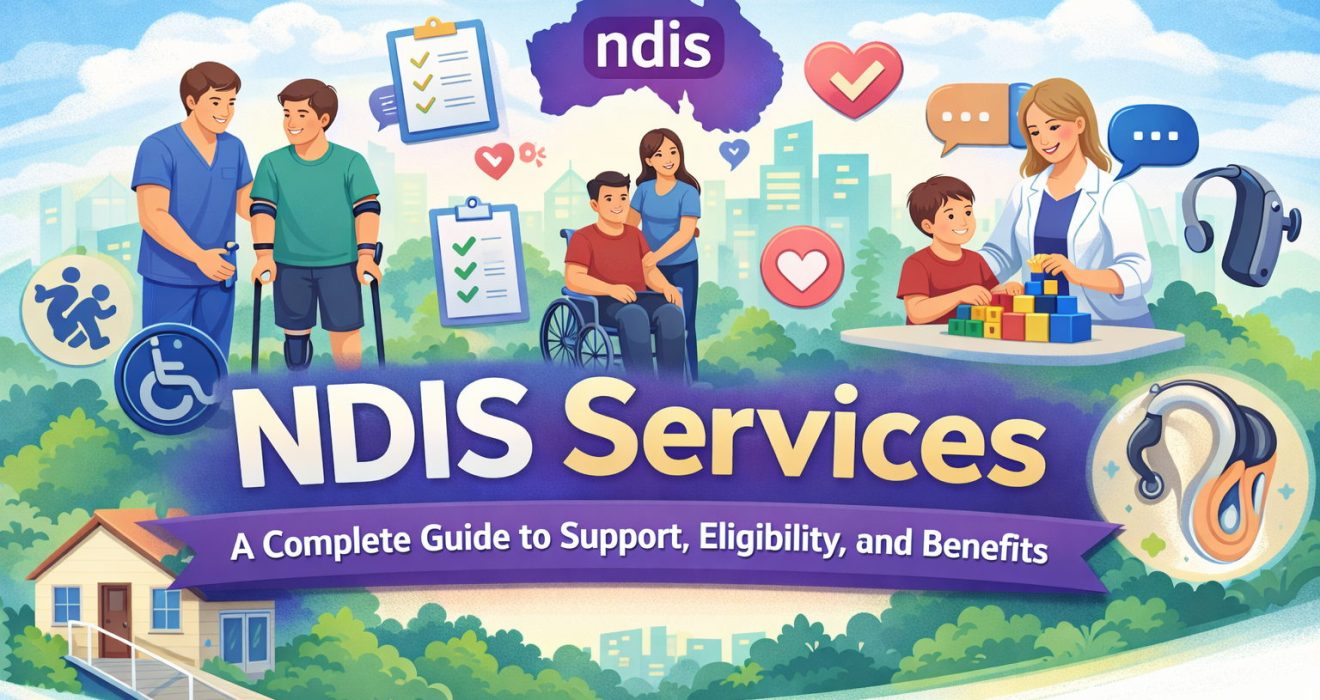
NDIS Services: A Complete Guide to Support, Eligibility, and Benefits
The National Disability Insurance Scheme (NDIS) is a life-changing program designed to provide support, independence, and improved quality of life for people living with disabilities. Whether you’re new to the NDIS or looking to better understand how it works, this guide will walk you through everything you need to know—from eligibility to benefits and available services.

What is the NDIS?
The NDIS is a government-funded program that provides financial support and services to individuals with permanent and significant disabilities. Its primary goal is to help participants live more independently, achieve personal goals, and actively participate in their communities.
Unlike traditional welfare systems, the NDIS focuses on individualized plans, meaning each participant receives tailored support based on their unique needs and aspirations.
Who is Eligible for the NDIS?
To access NDIS services, you must meet certain eligibility criteria:
1. Age Requirement
You must be under 65 years old at the time of applying.
2. Residency Status
You must be an Australian citizen, permanent resident, or hold a Protected Special Category Visa.
3. Disability Requirements
You must have a permanent and significant disability that:
- Impacts your ability to perform everyday activities
- Requires support from others or assistive technology
4. Early Intervention (if applicable)
Even if the disability is not permanent, you may qualify if early support can reduce future needs or improve outcomes.
Types of NDIS Supports and Services
NDIS funding is divided into three main categories:
1. Core Supports
These help with everyday activities and basic needs, including:
- Personal care (bathing, dressing)
- Household tasks
- Transportation
- Social and community participation
2. Capacity Building Supports
These aim to build independence and skills over time:
- Therapy services (speech, occupational, physiotherapy)
- Employment support
- Life skills development
- Support coordination
3. Capital Supports
These cover investments in long-term solutions:
- Assistive technology (wheelchairs, hearing aids)
- Home modifications
- Specialized equipment
How Does the NDIS Work?
Step 1: Application
Submit an access request to determine eligibility.
Step 2: Planning Meeting
If approved, you’ll meet with an NDIS planner to discuss:
- Your goals
- Current challenges
- Required supports
Step 3: NDIS Plan
You’ll receive a personalized plan outlining funded supports and budget allocations.
Step 4: Implementation
You can choose service providers and begin using your funding.
Step 5: Review
Plans are reviewed regularly to ensure they continue to meet your needs.
Key Benefits of NDIS Services
1. Personalized Support
Each plan is tailored to individual goals and circumstances.
2. Greater Independence
Participants gain tools and services that enable them to live more independently.
3. Choice and Control
You decide how, when, and where to use your funding, including selecting providers.
4. Improved Quality of Life
Access to therapies, social activities, and assistive technology enhances overall well-being.
5. Long-Term Support
NDIS is designed to provide ongoing assistance, adapting as needs change.
Tips for Maximizing Your NDIS Plan
- Set clear goals: Know what you want to achieve with your plan.
- Keep records: Track spending and services used.
- Review regularly: Ensure your supports align with your evolving needs.
- Work with providers: Build strong relationships with trusted service providers.
- Seek support coordination: If needed, a coordinator can help manage your plan effectively.
Common Challenges and How to Overcome Them
Understanding the System
The NDIS can be complex at first. Consider working with a support coordinator or advocate.
Finding the Right Providers
Research, compare options, and read reviews before choosing service providers.
Managing Funding
Use budgeting tools or plan management services to stay on track.
